Crushed red pepper (often made from dried cayenne, chili flakes, and similar peppers) doesn’t just bring heat — it delivers vitamins, antioxidants, metabolic benefits, and supports overall health when used regularly and in moderation.
🌟 Key Health Benefits
1. Boosts Metabolism
Crushed red pepper contains capsaicin, the compound responsible for its heat. Capsaicin temporarily increases body heat production (thermogenesis), helping burn calories slightly faster. Regular consumption may help support weight management.
2. Rich in Antioxidants
It contains vitamin C, carotenoids, and flavonoids that help fight free radicals. Antioxidants support:
Healthy skin
Reduced oxidative stress
Stronger immunity
Anti-aging processes
3. Supports Heart Health
Capsaicin has shown potential to:
Improve blood circulation
Help lower LDL (“bad”) cholesterol
Support healthier blood vessel function
It may also help reduce plaque buildup over time, supporting long-term cardiovascular health.
4. Anti-Inflammatory Properties
Capsaicin may reduce inflammation by lowering the perception of pain in nerves. This is why pepper-based creams are sometimes used for joint or muscle pain relief.
5. Good for Digestion
Moderate use can stimulate saliva and gastric juices, improving digestion. It may:
Reduce bloating
Improve enzyme activity
Promote healthy gut bacteria
(Too much may irritate, so balance is key.)
6. Immune System Support
Crushed red pepper contains:
Vitamin A, important for mucosal barriers (eyes, lungs, gut)
Vitamin C, important for immune cell function
Together they help the body defend against infections and seasonal colds.
7. Better Blood Sugar Regulation
Capsaicin may help stabilize blood sugar by increasing insulin sensitivity. This is beneficial for preventing spikes after meals.
🧪 Nutritional Profile (Approx. per teaspoon)
Nutrient
Benefit
Vitamin A
Vision, immunity, tissue repair
Vitamin C
Immune health + antioxidant support
Vitamin B6
Brain function + energy metabolism
Potassium
Regulates blood pressure + hydration
Iron
Supports red blood cell production
Capsaicin
Metabolism + anti-inflammatory impact
Low-calorie, zero-fat, and nutrient-dense — a little goes a long way.
⚠️ Possible Side Effects & Precautions
Crushed red pepper is powerful — moderation matters, especially if you’re sensitive.
You may want to reduce/avoid if you have:
Acid reflux (may trigger heartburn)
Gastritis or stomach ulcers
IBS or digestive sensitivity
Hemorrhoids (can cause irritation)
Use carefully if pregnant, breastfeeding, or if taking blood-thinning medication — ask a doctor if unsure.
🌶 Recommended Daily Intake
There’s no strict limit, but ¼–1 teaspoon per day is generally safe for healthy adults. Increase slowly if you’re new to spicy food — capsaicin tolerance builds over time.
🥣 Best Ways to Use Crushed Red Pepper
Sprinkle on pasta, pizza, soups, eggs
Add to stir-fries, roasted veggies, grilled meats
Mix into olive oil, dips, hummus
Use in marinades for extra heat + metabolism boost
Add to lemon water or tea very tiny amount — helps digestion and circulation
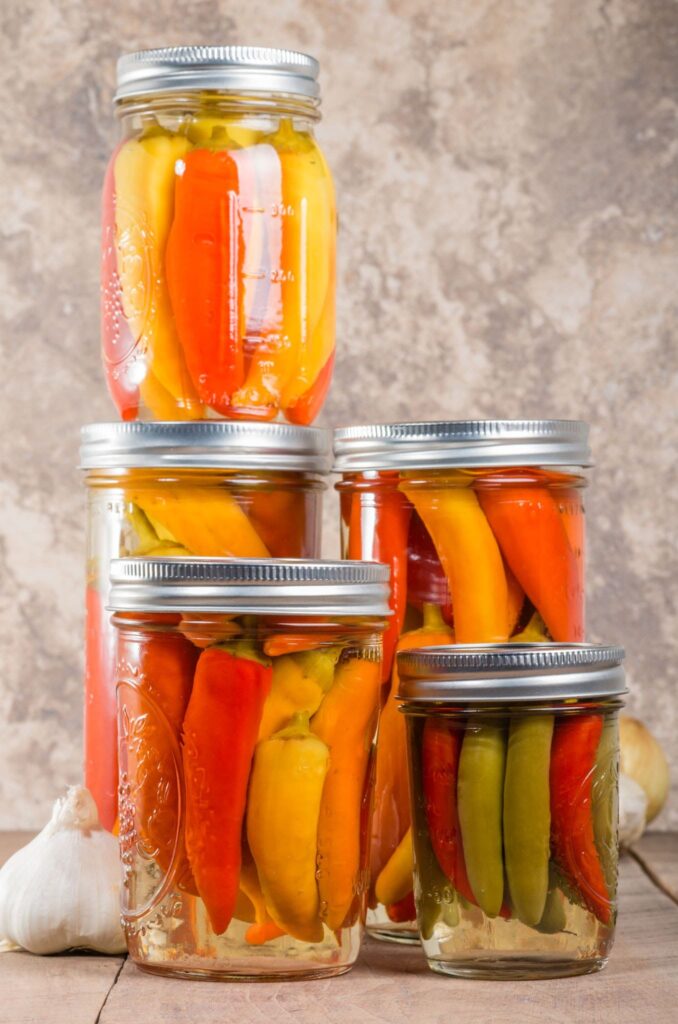
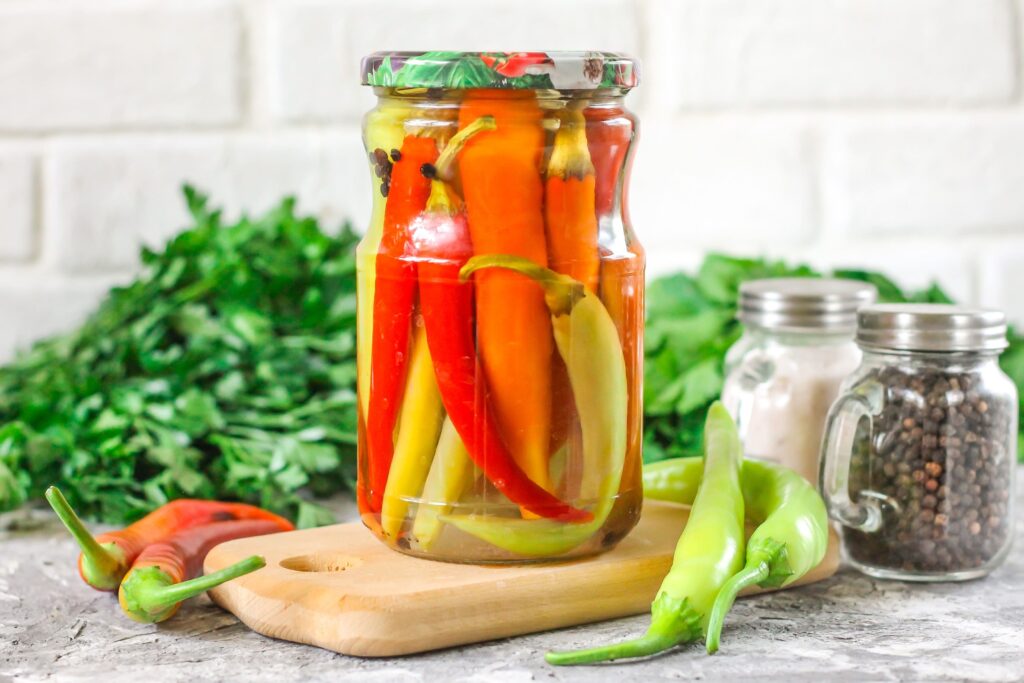
These refrigerator pickles are crunchy, tangy, and have a perfect balance of sweet and spicy. They are delicious on pizzas, sandwiches, tacos, or simply enjoyed as a sharp condiment.
1 pound (approx. 450 g) Peppers of your choice: A mix of Jalapeños (sliced into rings) and small sweet peppers or banana peppers (also sliced into rings) provides great color and heat variation.
2 cloves Garlic: Peeled and thinly sliced.
For the Brine
1½ cups (350 ml) White Distilled Vinegar (must be 5% acidity)
1½ cups (350 ml) Water
3 tablespoons Granulated Sugar (or maple syrup/agave for a more subtle taste)
1½ teaspoons Kosher Salt (or pickling salt)
Optional Flavorings (per jar)
½ teaspoon Red Pepper Flakes (for extra heat)
1 teaspoon Whole Black Peppercorns
1 Bay Leaf
½ teaspoon Mustard Seeds
Equipment
2 sterilized pint-size Mason jars (or canning jars) with lids
A medium, non-reactive saucepan (like stainless steel)
Heat-proof funnel
Instructions
1. Prepare Peppers and Jars
Sterilize Jars: Wash the glass jars and lids thoroughly. For sterilization, you can boil the jars in water for 10 minutes or run them through a high-temperature dishwasher cycle.
Slice Peppers: Slice into uniform rings (about 0.5 cm thick). To reduce heat, you can remove the membranes and seeds (wear gloves for handling hot peppers!).
Fill Jars: Divide the peppers evenly between the two sterilized jars. Add the sliced garlic and your chosen optional flavorings (peppercorns, bay leaf, etc.) to each jar.
2. Make the Brine
Combine Ingredients: Combine the vinegar, water, sugar, and salt in the saucepan.
Boil: Bring the mixture to a rolling boil over medium-high heat, stirring until the salt and sugar are completely dissolved. Turn off the heat immediately once it boils.
3. Brine and Seal
Pour Brine: Place the funnel on the jars and carefully pour the hot brine over the peppers, ensuring they are fully submerged. Leave about a ¼-inch (approx. 0.5 cm) headspace at the top.
Remove Bubbles: Gently tap the jars on the counter to release any trapped air bubbles. Add a little more brine if necessary to maintain the headspace.
Seal: Wipe the rims of the jars clean, place the lids, and screw on the rings until fingertip tight.
4. Chill and Cure
Cool: Allow the jars to cool completely to room temperature on the counter.
Refrigerate: Once cooled, transfer the jars to the refrigerator.
When are they ready? They are ready to eat after just 8 hours, but the flavors will be best after a minimum of 24 hours of chilling. Storage: These pickled peppers will keep well in the refrigerator for 2–3 months.
Health Benefits of Pickled Peppers
While enjoying the delicious crunch and tang of pickled peppers, you also benefit from several healthy properties derived from the peppers themselves and the pickling process:
Capsaicin Power: Chili peppers (such as Jalapeños) are rich in capsaicin, the compound responsible for their heat. Capsaicin is a known powerhouse that can temporarily boost metabolism and may possess anti-inflammatory and pain-relieving properties.
Rich in Antioxidants: Peppers are naturally packed with Vitamin C and various antioxidants (like Vitamin A). Although some nutrients diminish during the heat of the pickling process, many antioxidants remain to help combat free radicals in the body.
Vinegar’s Role in Digestion: The acetic acid in the vinegar has been studied for its potential to help regulate blood sugar levels and improve insulin sensitivity, particularly when consumed with meals.
Low-Calorie Flavor: They add intense flavor and heat to meals for very few calories, making them an excellent way to spice up healthy but simple dishes without relying on added fats or heavy sauces.
Black pepper (Piper nigrum) is one of the world’s most traded spices and a cornerstone of global cuisine. Its cultivation depends on specific environmental conditions: warm tropical climates, abundant rainfall, fertile soils, and steady humidity. While many countries grow pepper, only a few consistently deliver the volume and quality that shape the global market. Below are the top countries renowned for producing the finest black pepper.
🇮🇳 1. India — The Historic Heartland of Black Pepper
India is considered the birthplace of black pepper, historically known as “black gold” along ancient spice routes. The southern states—Kerala, Karnataka, and Tamil Nadu—offer ideal growing conditions: fertile laterite soils, high humidity, and elevated terrain.
Why India excels:
Optimal tropical climate with monsoon rains
Rich biodiversity that favors pepper vines
Traditional knowledge passed down through generations
Indian black pepper, especially the Malabar and Tellicherry varieties, is prized for its strong aroma and high piperine content.
🇻🇳 2. Vietnam — The World’s Leading Pepper Producer
Vietnam dominates global black pepper production, contributing more than a third of the world’s supply. Key growing regions include Dak Lak, Gia Lai, and Ba Ria–Vung Tau, known for their basaltic soils and tropical climate.
Why Vietnam leads:
High-yield cultivation techniques
Large-scale, efficient farming
Robust export infrastructure
Vietnamese pepper typically has a sharper flavor profile and competitive pricing, making it a global commercial favorite.
🇮🇩 3. Indonesia — Home of the Famous Lampung Pepper
Indonesia is another powerhouse, with pepper farms concentrated in Lampung (Sumatra) and Bangka Belitung. The country is known for producing both black and white pepper.
Why Indonesia stands out:
Volcanic soils rich in minerals
Long-standing pepper-growing tradition
Distinctive smoky, earthy flavor
Lampung black pepper is one of the most exported varieties, valued for its bold and slightly woody taste.
🇧🇷 4. Brazil — A Rising Giant in Pepper Cultivation
Brazil is the largest pepper producer in the Western Hemisphere, especially in the regions of Pará and Espírito Santo. The country’s tropical climate and extensive agricultural research have boosted both production and quality.
Why Brazil performs well:
Advanced agricultural technology
Vast land suitable for large-scale cultivation
Consistent climate conditions
Brazilian pepper tends to be clean, flavorful, and high in essential oils.
🇱🇰 5. Sri Lanka — Known for Premium Ceylon Pepper
Sri Lanka produces some of the world’s most aromatic pepper, often marketed as Ceylon Pepper. The central and southern regions, such as Matale and Kandy, offer fertile soils and ideal humidity.
Why Sri Lanka shines:
High-oil-content berries
Sustainable and organic farming practices
Naturally superior aroma and flavor complexity
Though produced in smaller quantities, Sri Lankan pepper commands premium prices in international markets.
🇲🇾 6. Malaysia — A Boutique Producer with High-Quality Varieties
Malaysia, especially the state of Sarawak, is known for producing distinctive pepper varieties like Sarawak Black and Sarawak Creamy White pepper.
Why Malaysia is notable:
Specific microclimates that enhance flavor
Strict quality control and grading systems
Mildly spicy, fruity flavor profile
Sarawak pepper has earned a Protected Geographical Indication (PGI) status, highlighting its global prestige.
Conclusion
The success of black pepper cultivation hinges on tropical climates, fertile soils, and dedicated agricultural practices. Countries like India, Vietnam, Indonesia, Brazil, Sri Lanka, and Malaysia have mastered these conditions, each producing pepper with unique characteristics that cater to different markets and culinary needs.
Whether you’re looking for the bold heat of Vietnamese pepper, the aromatic elegance of Indian Tellicherry, or the refined quality of Sarawak pepper, the global pepper belt offers diverse flavors rooted in centuries of tradition and innovation.
If you’ve ever yearned for a dip that is luxurious, smoky, and explosively flavorful, then Mohammara is about to steal your heart. Originating from the Levant, particularly the Syrian city of Aleppo, this vibrant red dip combines roasted bell peppers, toasted walnuts, and a gentle heat from Aleppo chili to create a culinary masterpiece. Whether served as an appetizer, a spread for warm bread, or a condiment alongside grilled meats, Mohammara is a culinary revelation that elevates any meal. Today, we’ll explore a recipe that turns simple ingredients into a gourmet experience, celebrating the sweet and smoky allure of bell peppers.
Ingredients You’ll Need
For this recipe, we’re blending a handful of Mediterranean treasures into a dip that balances sweetness, spice, and richness. Here’s what you’ll need:
3 large red bell peppers – roasted until their skins blister and char for a smoky depth
1 cup walnuts – lightly toasted to unlock their nutty aroma
1/4 cup breadcrumbs – preferably from crusty artisan bread for texture
2–3 tablespoons pomegranate molasses – the secret to that tangy-sweet punch
1–2 cloves garlic – finely minced or roasted for mellow warmth
1 teaspoon Aleppo chili flakes – optional, but essential for authentic warmth
1/2 teaspoon smoked paprika – enhances the smoky undertones
1/4 teaspoon ground cumin – earthy and grounding
3 tablespoons extra virgin olive oil – rich, fruity, and golden
Salt to taste – the enhancer of flavors
Juice of half a lemon – for a bright, citrusy finish
Optional garnish: pomegranate seeds, extra walnuts, drizzle of olive oil
Power tip: For a smoother, creamier Mohammara, you can soak the walnuts in warm water for 10 minutes before blending.
Step 1: Roast the Bell Peppers
Roasting bell peppers is the heart of this recipe—it’s where the magic begins. The skins blister, the flesh softens, and the natural sugars caramelize, creating that deep, seductive flavor that makes Mohammara irresistible.
Preheat your oven to 220°C (425°F).
Place the bell peppers on a baking sheet lined with parchment paper. Roast for 25–30 minutes, turning occasionally, until the skins are charred and wrinkled.
Once roasted, place the peppers in a bowl and cover with plastic wrap for 10 minutes. This steaming process loosens the skins, making peeling effortless.
Peel off the skins, remove seeds, and roughly chop the flesh.
Pro tip: Don’t rinse the peppers—keep the juices for extra flavor.
Step 2: Toast the Walnuts
Walnuts bring a luxurious richness and subtle crunch to Mohammara. Toasting them releases oils and deepens their flavor.
Heat a dry skillet over medium heat.
Add walnuts and toast for 5–7 minutes, shaking frequently to prevent burning.
Let them cool slightly before blending.
Flavor hack: A light pinch of salt while toasting can enhance the nutty aroma.
Step 3: Blend the Magic
Now comes the fun part—transforming humble ingredients into a gourmet dip.
In a food processor, combine the roasted bell peppers, toasted walnuts, breadcrumbs, garlic, Aleppo chili flakes, smoked paprika, and ground cumin.
Pulse until the mixture begins to form a coarse paste.
Slowly add pomegranate molasses, lemon juice, and olive oil, blending until smooth. Adjust the seasoning with salt and more chili if desired.
Texture tip: For a chunkier, rustic Mohammara, pulse less frequently. For a silky, spreadable dip, blend longer.
Step 4: Taste and Adjust
This is where your taste buds take center stage. Mohammara should hit all the right notes: sweet, smoky, nutty, and slightly tangy with a gentle fiery kick.
If it’s too thick, add a teaspoon of water or extra olive oil.
If it’s too tangy, a drizzle more of pomegranate molasses will balance it.
For extra depth, a dash of smoked paprika or even a touch of chili oil can intensify the flavor.
Step 5: Serve and Garnish
Presentation is everything. Serve Mohammara in a shallow bowl, and let its vibrant red hue shine. Drizzle a bit of olive oil on top, sprinkle with chopped walnuts, and scatter a few pomegranate seeds for a burst of color and freshness.
Serving ideas:
Spread on warm pita or flatbreads
Pair with grilled lamb, chicken, or fish
Serve as part of a meze platter with hummus, baba ganoush, and tabbouleh
Use as a sandwich spread or toast topper
Pro tip: Mohammara tastes even better after a few hours in the fridge—flavors meld and intensify, creating a bold, irresistible dip.
Why This Dip is Legendary
Mohammara is more than just a dip—it’s a culinary journey. Every bite captures the smoky warmth of roasted bell peppers, the earthy richness of walnuts, and the tangy sweetness of pomegranate molasses. This dish embodies the spirit of the Levant, where spices, nuts, and fresh produce collide to create extraordinary flavors.
Unlike everyday condiments, Mohammara carries history, culture, and story in every spoonful. It’s bold, fiery, and luxurious—all at once.
Tips for the Perfect Bell Pepper Mohammara
Choose ripe red bell peppers for natural sweetness and depth.
Roast, don’t boil—the smoky char transforms the flavor.
Use freshly toasted walnuts—stale nuts can make the dip bitter.
Pomegranate molasses is key—it’s the secret ingredient that gives Mohammara its signature tang.
Adjust the heat—Aleppo chili flakes provide warmth without overwhelming the sweet and nutty flavors.
Make ahead—Mohammara improves after a day in the fridge, making it ideal for entertaining.
Storage and Shelf Life
Store Mohammara in an airtight container in the refrigerator for up to 5–7 days. The flavors continue to intensify over time, so it’s perfect for meal prep or for making ahead for a dinner party. For longer storage, you can freeze Mohammara in small portions—thaw and stir before serving.
A Celebration of Flavor
Every spoonful of this red, velvety dip tells a story—from the sun-drenched fields of Aleppo to your kitchen table. Mohammara is proof that simple ingredients can create extraordinary experiences, and that bell peppers, walnuts, and spices are more than just food—they’re history, culture, and passion, all blended into one unforgettable bite.
Try it today: spread it on bread, dollop it alongside grilled meats, or enjoy it straight from the bowl. Mohammara is bold, beautiful, and unapologetically flavorful—a dip that transforms every meal into a Mediterranean celebration.
Black pepper wasn’t just a spice—it was once a form of currency. In medieval Europe, debts were settled and dowries paid in peppercorns. By the 15th century, it dominated the global spice trade, making up nearly 90% of its volume. Italian city-states like Venice and Genoa controlled the lucrative trade routes from Asia, raking in massive profits amid fierce competition.
A Spice Worth Its Weight in Gold
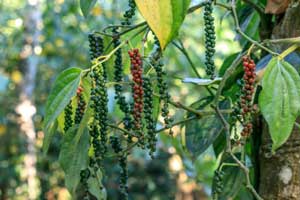
Freshly Picked Black pepper.
As botanist Todd Brethauer notes in Encyclopædia Britannica, pepper’s ubiquity today hides a dazzling past. “When I’m talking about pepper,” he explains, “I mean the pepper on the kitchen table in hundreds of millions of homes around the world. We don’t even think about it, it’s so common. Five hundred years ago it was worth its weight in gold.”
Indeed, black pepper wasn’t just valuable—it was a form of currency. In medieval Europe, debts were paid and dowries exchanged in peppercorns. In the 15th century, it dominated the global spice trade, accounting for roughly 90 percent of its volume. Italian city-states like Venice and Genoa maintained lucrative monopolies by controlling the routes that brought pepper from Asia into Europe. The profits were astronomical, and the competition was ruthless.
So precious was the spice that dockworkers and sailors who handled pepper shipments often had their pockets sewn shut to prevent theft. Its allure wasn’t just culinary—it represented wealth, power, and access to the farthest reaches of the known world.
The Quest for Pepper and the Age of Exploration
Pepper’s overwhelming economic pull reshaped global history. The desire to bypass Italian and Arab middlemen in the spice trade inspired some of the most consequential voyages of the Age of Exploration.
In 1492, the same year Columbus set sail west under the patronage of Ferdinand and Isabella of Spain, the spice trade was at its peak. Spain wanted its share of the immense profits being reaped by Portuguese and Italian traders who controlled the eastern sea routes to Asia. Although Columbus never reached India, his journey—sparked in large part by Europe’s hunger for spices—opened the door to centuries of transoceanic exploration, colonization, and trade.
A few years later, Portuguese explorer Vasco da Gama successfully reached India by sailing around the Cape of Good Hope. His 1498 voyage directly linked Europe to the Malabar Coast, the homeland of black pepper, forever altering global commerce. What began as a search for a condiment became the foundation for a global economy.
The Vine That Launched Empires
Black pepper plants.
Pepper originates from the vine Piper nigrum, native to the southwestern coast of India, particularly the lush Western Ghats in the modern state of Kerala. There, the climate—humid, tropical, and rich in biodiversity—creates the perfect environment for pepper vines to flourish.
Each vine produces slender spikes, each holding up to a hundred tiny flowers. Over eight months, these flowers develop into green berries. Farmers harvest them just before they ripen, then dry and ferment them in the sun for four or five days. As they dry, the skin and pulp shrink and cling to the seed inside, turning dark and wrinkled—the familiar black peppercorn of commerce.
This process, largely unchanged for thousands of years, produces a spice both fiery and aromatic. The sharpness of pepper comes from piperine, an alkaloid that makes up between 5 and 10 percent of the dried pepper by weight. It’s piperine that tingles on the tongue and awakens the palate.
The Chemistry of Flavor
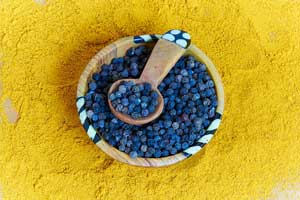
Black pepper combined with Ginger.
What makes black pepper’s flavor so complex and enticing isn’t just its heat—it’s also its bouquet of terpenes, a class of organic compounds that form the backbone of much of plant chemistry. As Brethauer explains, terpenes are built from a simple five-carbon unit called isoprene, and the way these units are linked together determines the resulting aroma and color.
Two linked isoprene units create limonene, the citrus scent found in lemons. Three form compounds that give ginger its warmth. Chain together eight, and you begin to produce the pigments that color carrots, tomatoes, and watermelons. Within pepper, a rich mix of terpenes interacts with piperine to create a full spectrum of aromas—woody, floral, and slightly citrusy—all released when the peppercorn is cracked open or ground fresh.
This remarkable chemistry explains pepper’s enduring appeal: it doesn’t merely add heat; it deepens flavor. That complexity made it irresistible to cooks from ancient Rome to Renaissance Europe, and it continues to enhance cuisines around the world today.
From Ancient Luxury to Everyday Table
Archaeological and textual evidence suggests that black pepper has been traded from India to the Middle East for at least 3,000 years. Egyptians used it in mummification rituals; peppercorns were found in the nostrils of Pharaoh Ramses II. In classical Rome, pepper symbolized refinement and excess—Pliny the Elder once grumbled that the Empire was being “drained of its wealth” to satisfy the craving for exotic spices.
By the Middle Ages, the priceless spice had become synonymous with wealth. To “pepper” a dish was to elevate it to luxury status. Yet over the centuries, as global trade routes expanded and colonial plantations spread across Asia, Africa, and eventually the Americas, pepper became increasingly affordable.
By the 18th century, the once-priceless spice had become a universal condiment. Its democratization marked one of the great culinary equalizers in history. What had been an indulgence of emperors and merchants became a basic seasoning for households worldwide.
Pepper Today
Today, black pepper remains the world’s most traded spice. The leading producers—Vietnam, India, Indonesia, and Brazil—supply millions of tons annually. Its uses extend beyond cooking; it plays a role in traditional medicine, food preservation, and even perfumery.
Despite modern abundance, pepper retains a hint of its ancient prestige. It’s a symbol of the global connections that flavor our food and our history—a reminder that something as small as a wrinkled seed once powered empires, inspired explorers, and transformed the world’s palate.
Conclusion
From its roots on the Malabar Coast to dinner tables in every corner of the globe, the legendary black pepper has lived many lives: sacred offering, luxury good, global currency, and now everyday seasoning. Its story is the story of globalization itself—a tale of curiosity, commerce, and chemistry.
The next time you twist a pepper mill, you’re not just seasoning your meal. You’re participating in a 3,000-year-old tradition, continuing the legacy of the tiny spice that helped shape the modern world.
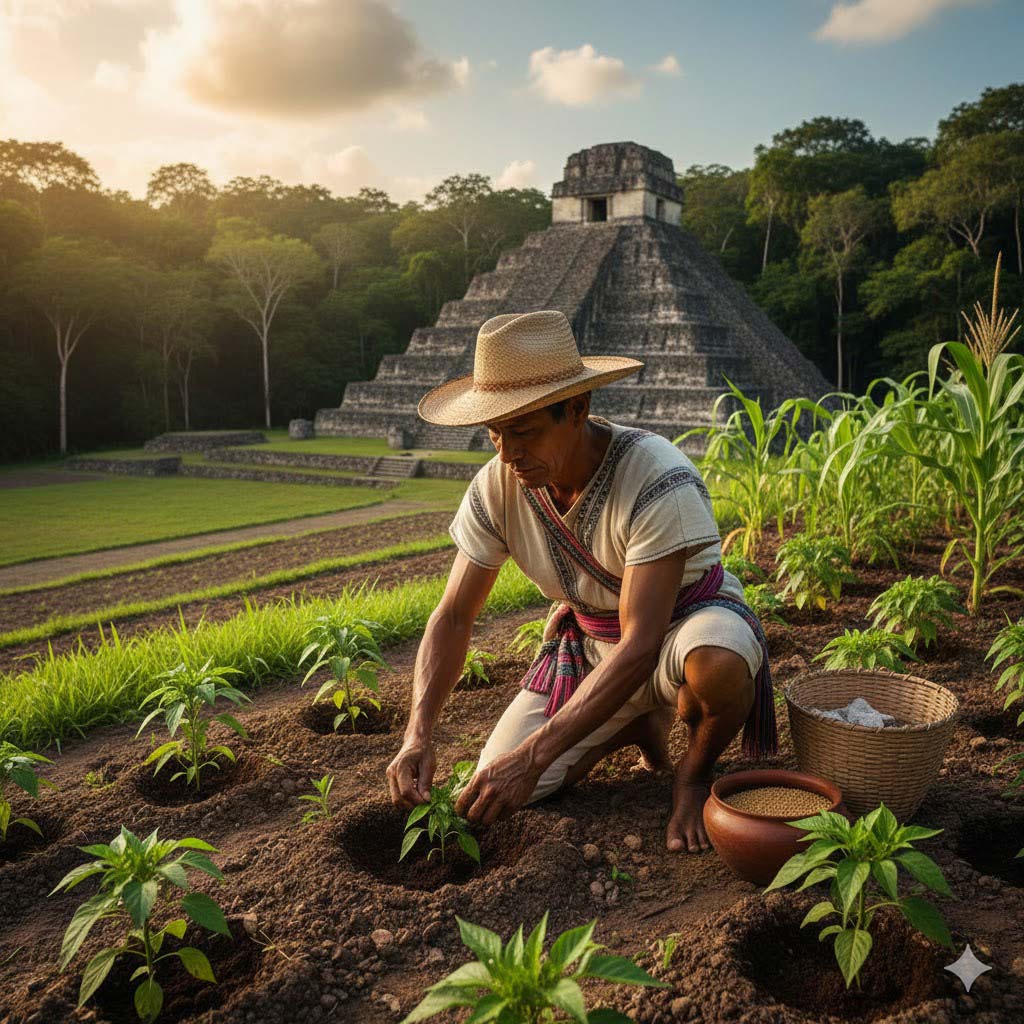
Bell peppers, also known as sweet peppers or capsicums, are one of the most colorful and versatile vegetables in the world. Despite their association with Mediterranean cuisine today, bell peppers actually originate from the Americas. Archaeological evidence suggests that they were first cultivated in Central and South America over 6,000 years ago. Ancient civilizations like the Aztecs and Mayans grew a variety of peppers, using them not only for food but also for medicinal and ceremonial purposes.
The word “capsicum” comes from the Greek word kapto, meaning “to bite,” reflecting the pepper’s pungent flavor in its wild forms. Spanish explorers brought bell peppers to Europe in the 15th and 16th centuries, where they quickly became popular in kitchens across Spain, Italy, and the Balkans. Unlike their hotter relatives, bell peppers were valued for their sweet flavor, vibrant colors, and versatility in cooking.
Over time, bell peppers were selectively bred to enhance their sweetness and reduce bitterness. This selective cultivation led to the wide variety of colors we see today, from green to red, yellow, orange, and even purple. Each color represents a different stage of ripeness or a distinct cultivar, giving cooks and chefs a palette of flavors and textures to experiment with.
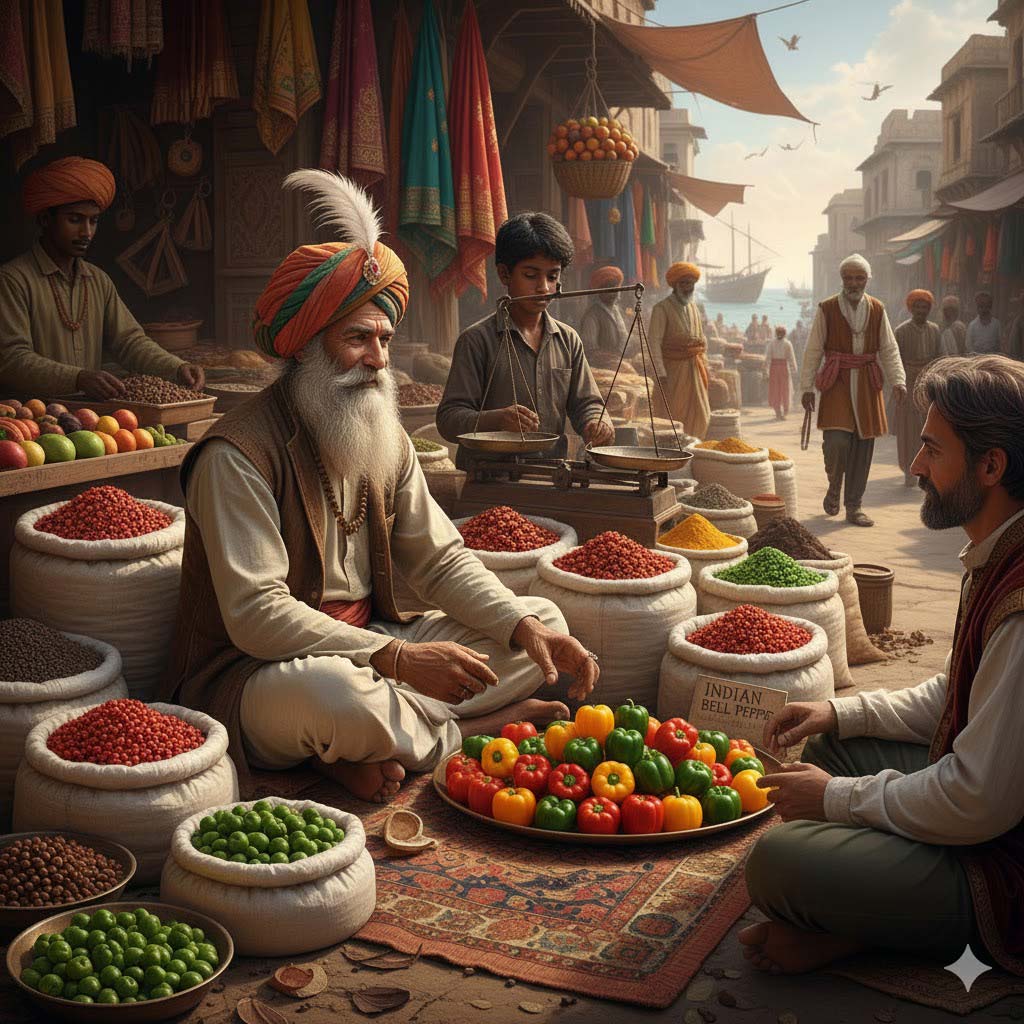
Bell peppers also spread to Asia and Africa, becoming integral ingredients in numerous regional cuisines. In India, they are often used in curries and stir-fries, while in China they are a staple in stir-fried dishes with meat or tofu. Their mild taste and nutritional value, rich in vitamins A and C, have contributed to their global popularity.
Today, bell peppers are cultivated worldwide and enjoyed in countless recipes, from salads and pasta to roasted dishes and stuffed peppers. Their journey from ancient American fields to modern kitchens illustrates not only the adaptability of this vegetable but also the rich history of human cultivation and culinary innovation. Bell peppers remain a symbol of color, flavor, and cultural exchange in the global culinary landscape.
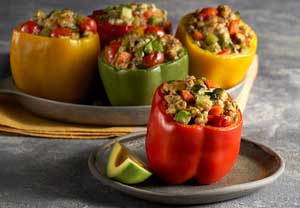
Stuffed bell peppers are an enduring family favorite— healthy, vibrant, wholesome, and wonderfully satisfying. Their cheerful colors make them look as good as they taste, and the savory beef-rice-tomato filling has that comforting, old-fashioned flavor that never gets old.
Succulent Stuffed Bell Peppers
This healthy recipe of stuffed bell pepper keeps the simplicity of the classic while folding in a few techniques and flavor touches from modern kitchens—like sautéed aromatics, melted cheese, and optional add-ins to transform it into a healthy vegetarian dish. From start to finish, these come together in under an hour, perfect for an easy weeknight dinner that feels like something special.
Ingredients
Total Time: About 55–60 minutes (Prep: 25 min | Bake: 25–30 min) Servings: 4–6 stuffed peppers
4–6 large bell peppers (any color; red, orange, and yellow are sweeter, while green pepper adds a mild bitterness)
Preheat your oven to 350°F (175°C) and set aside a large rectangular baking dish that can hold all the peppers upright.
Trim and clean the peppers: Slice about ½ inch from the tops of each bell pepper, keeping them intact as little “lids” if you like. Remove the seeds and membranes inside.
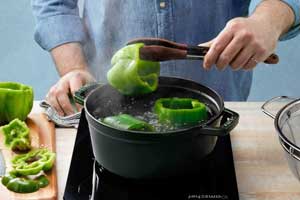
Parboil for tender peppers (optional but recommended): Bring a large pot of water to a rolling boil. Drop the cleaned peppers into the boiling water and cook for 3–4 minutes—just enough to soften them slightly without turning them mushy. Drain and immediately rinse under cold water to stop the cooking. This quick blanching step ensures the peppers bake evenly and stay vibrant in color.
Set aside to cool slightly while you prepare the filling.
Step 2: Cook the Filling
Heat olive oil in a large skillet over medium heat. Add the chopped onion and sauté until translucent, about 3–4 minutes. Add the minced garlic and cook for another minute, stirring to avoid burning.
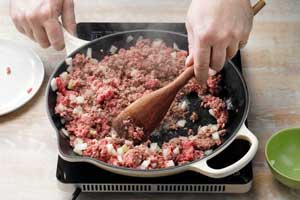
Add the ground beef to the skillet, breaking it apart with a wooden spoon. Cook until browned and no longer pink—about 8–10 minutes. Drain off excess fat to keep the filling light.
Stir in half the tomato sauce, then add the cooked rice, salt, black pepper, and Italian seasoning. If you’re using smoked paprika or chili flakes, sprinkle them in now.
Reduce the heat and let the mixture simmer for a few minutes until the flavors come together and the sauce thickens slightly. Taste and adjust seasoning as needed, some people like a touch more salt or a pinch of sugar if the tomatoes are very acidic.
Step 3: Fill the Pepper
Arrange the prepared peppers upright in your baking dish. If any won’t sit flat, trim a very thin slice from the bottom to help them balance.
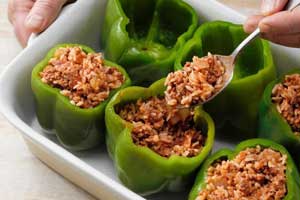
Spoon the hot beef-rice mixture into each pepper, packing it down gently with the spoon. Fill them all the way to the top—slightly mounded is perfect.
Drizzle the remaining half of the tomato sauce over the tops. This keeps the filling moist during baking and adds that signature saucy finish.
Step 4: Bake
Cover the dish loosely with aluminum foil. This traps a bit of steam to soften the peppers while they bake.
Place in the oven and bake for 25–30 minutes or until the peppers are tender when pierced with a knife.
For softer peppers or larger ones, add an extra 5–10 minutes.
For firmer peppers, bake uncovered the whole time.
Step 5: Serve and Garnish
Remove the peppers from the oven and let them rest for 5 minutes—they’ll hold together better.
Transfer each pepper carefully to a plate or shallow bowl. Spoon a bit of the sauce from the bottom of the baking dish around each serving for color and moisture.
Top with a dollop of sour cream, a sprinkle of chopped parsley, and, if you like, a bit more melted cheese. Serve immediately while hot.
Chef’s Note
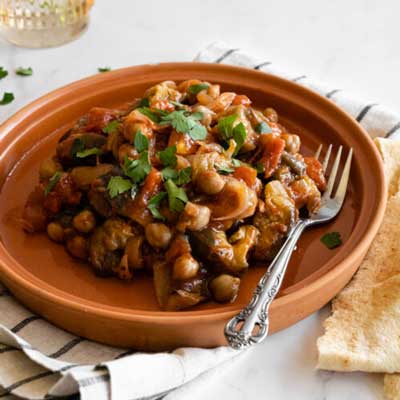
Bell peppers are a staple in global cuisine, from stuffed bell pepper recipes to roasted and sautéed pepper dishes. Green peppers add mild bitterness, while red, yellow, and orange varieties bring natural sweetness. They shine in Mediterranean favorites like Lebanese moussaka, where peppers, eggplant, and chickpeas simmer in a rich tomato sauce. Versatile and flavorful, bell peppers elevate any meal.
A comforting dish featuring roasted aubergines (eggplants), bell peppers, chickpeas and tomato-garlic sauce. It’s vegan, gluten-free, and perfect as a main or part of a mezze spread. The method merges the version you provided (with green peppers) with classic Lebanese approaches from various sources.
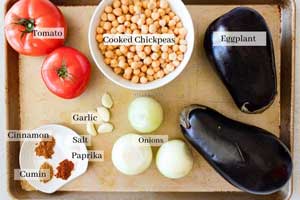
Ingredients (Serves 4–6)
2 medium aubergines (eggplants)
2–3 long green peppers (thin-fleshed variety if possible) or 2 medium bell peppers
1 can chickpeas, drained and rinsed
1 large onion, finely chopped
2-3 cloves garlic, minced
1 can chopped tomatoes or 400-500 g fresh tomatoes, chopped
1-2 Tbsp tomato paste
2 Tbsp olive oil
½ cup water
1 tsp sumac or ½ tsp each cinnamon + paprika + cumin for spice depth
Salt & freshly ground black pepper, to taste
Fresh chopped parsley for garnish
Olive oil for roasting & sautéing
Preparation
1. Roast the aubergines
Preheat your oven to 200 °C (about 390 °F).
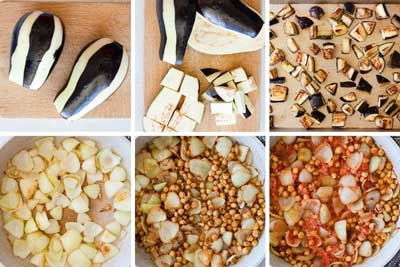
Wash the aubergines and pierce their skins a few times with a fork. Cut into large chunks (about 2-3 cm pieces) or slices as you prefer.
Toss with a little olive oil and a pinch of salt. Roast for 30–40 minutes, until the aubergine is soft and golden.
When done, remove from the oven and let cool slightly.
2. Prepare the peppers
While the aubergines are roasting, prepare the green peppers: wash, de-seed by cutting off the stem end and removing membranes/seeds. If using long peppers, cut in half lengthwise.
Place them on a tray, drizzle with a little olive oil, sprinkle salt, and roast under the grill (or at 200 °C) for 20–30 minutes, until slightly browned and tender.
3. Make the tomato-chickpea sauce
In a large deep pan or wok, heat 2 Tbsp olive oil over medium heat. Add chopped onion and sauté until translucent. Add the minced garlic and cook for another minute.
Add the chopped tomatoes and tomato paste, stir to combine. Pour in about ½ cup water.
Season with salt, pepper, sumac to taste. Let the mixture simmer for about 15 minutes, uncovered or partially covered, until slightly thickened.
Add the chickpeas, stir them in, and simmer for another 10 minutes so they soak up flavour.
4. Combine everything
Add the peeled roasted aubergine chunks to the sauce. Stir carefully so the aubergine integrates without breaking completely.
Add the roasted peppers, cut into large pieces if halved earlier, into the pan for the last 5–10 minutes.
Taste and adjust seasoning. If the sauce seems too dry, add a little more water.
5. Serve
Spoon the moussaka into a serving dish. Garnish with chopped fresh parsley and a drizzle of olive oil.
This dish is excellent warm, room temperature, or even chilled, making it very versatile for buffet-style or mezze.
Serve with warm pita bread, or as a main alongside steamed rice, or part of a wider spread of Mediterranean dishes.
Why this recipe works
By roasting the aubergine and pepper, you get deep flavour and great texture without excessive oil. The tomato-garlic sauce builds the core taste of the dish, chickpeas add hearty texture and protein, and the optional spices ensure it retains that authentic Lebanese character. The method allows flexibility—serve as main, side, warm or cold. It sits beautifully on a table of mezze or stands alone as a satisfying vegetarian main.
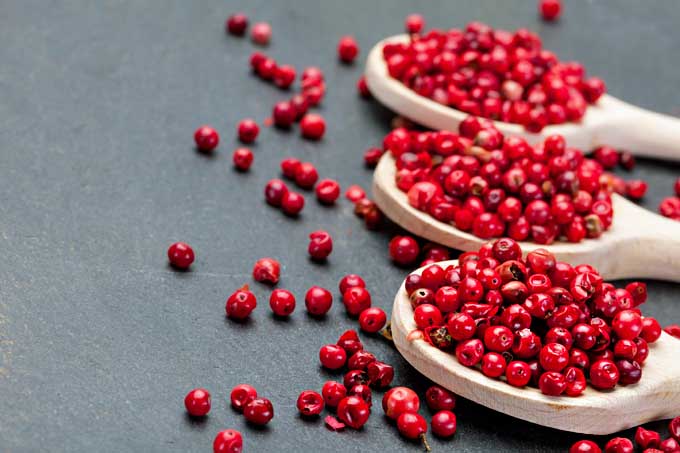
When you first spot pink pepper, or pink peppercorns, as they’re often called, you might assume they’re a dainty cousin of black pepper. Tiny, blushing spheres with a delicate fragrance, they look like pepper’s romantic side.
But here’s the twist: rose pepper isn’t true pepper at all.
Meet the Impostor: What Is Rose Pepper?
Despite its name and shape, rose pepper doesn’t come from the Piper nigrum vine (the plant that gives us black, white, and green peppercorns). Instead, these pink-hued berries come from an entirely different plant: Schinus molleor Schinus terebinthifolia, members of the cashew family (Anacardiaceae), native to South America.
Their delicate shells and floral aroma have earned them a spot in kitchens and on spice shelves worldwide. Think of them as the free-spirited cousin of true pepper — more perfumed than pungent, more poetic than fiery.
Flavor That Flirts
Rose pepper doesn’t bring the same sharp bite as black pepper. Instead, it offers a gentle, aromatic heat, warm, slightly sweet, and faintly resinous, with hints of citrus and berry.
When crushed, the berries release a fragrance that’s both peppery and floral, evoking rose petals, pine, and sunshine. It’s less about spice and more about nuance, a whisper rather than a shout.
Because of that, rose pepper pairs beautifully with:
Seafood and shellfish 🐟
Soft cheeses like goat or brie 🧀
Fruit-based dishes (strawberries, citrus, figs) 🍓
Chocolate desserts for a sophisticated twist 🍫
From the Andes to Your Table
Rose pepper has deep roots in South America, where the Schinus trees grow wild and abundant. Indigenous peoples of Peru and Brazil used the berries not only as a seasoning but also for their medicinal and ritual purposes.
Peruvian pepper trees
In the 18th and 19th centuries, European colonists brought the trees to other parts of the world, including Africa and the Mediterranean, where they thrived and eventually became popular in gourmet cooking.
Today, you’ll often see pink peppercorn blends, where rose pepper joins black, white, and green peppercorns in colorful harmony. Together, they create a full spectrum of spice: from earthy to floral, from grounded to ethereal.
Why We Love It
Rose pepper is less about intensity and more about elegance. It adds color to a dish, a perfume to the air, and a sense of culinary adventure to the table.
It’s not here to compete with black pepper or cayenne; it’s here to complement, to bring balance, to remind us that spice can also be subtle, fragrant, and full of grace.
Whether you call it rose pepper or pink peppercorn, this beautiful berry embodies the spirit of modern cooking: curious, global, and endlessly creative.
It’s not “real” pepper, but it’s real magic.
⚠️ Caution ⚠️
Because rose pepper comes from the cashew family, it can trigger allergic reactions in people who are sensitive to tree nuts. It’s rare, but worth keeping in mind, especially if you’re using it in shared dishes or desserts.
💡 Fun Fact
The trees that produce rose pepper sometimes called Peruvian pepper trees are visually stunning. They have cascading, fern-like leaves and clusters of pink berries that shimmer like ornaments. In some regions, they’re even used as decorative trees for landscaping.
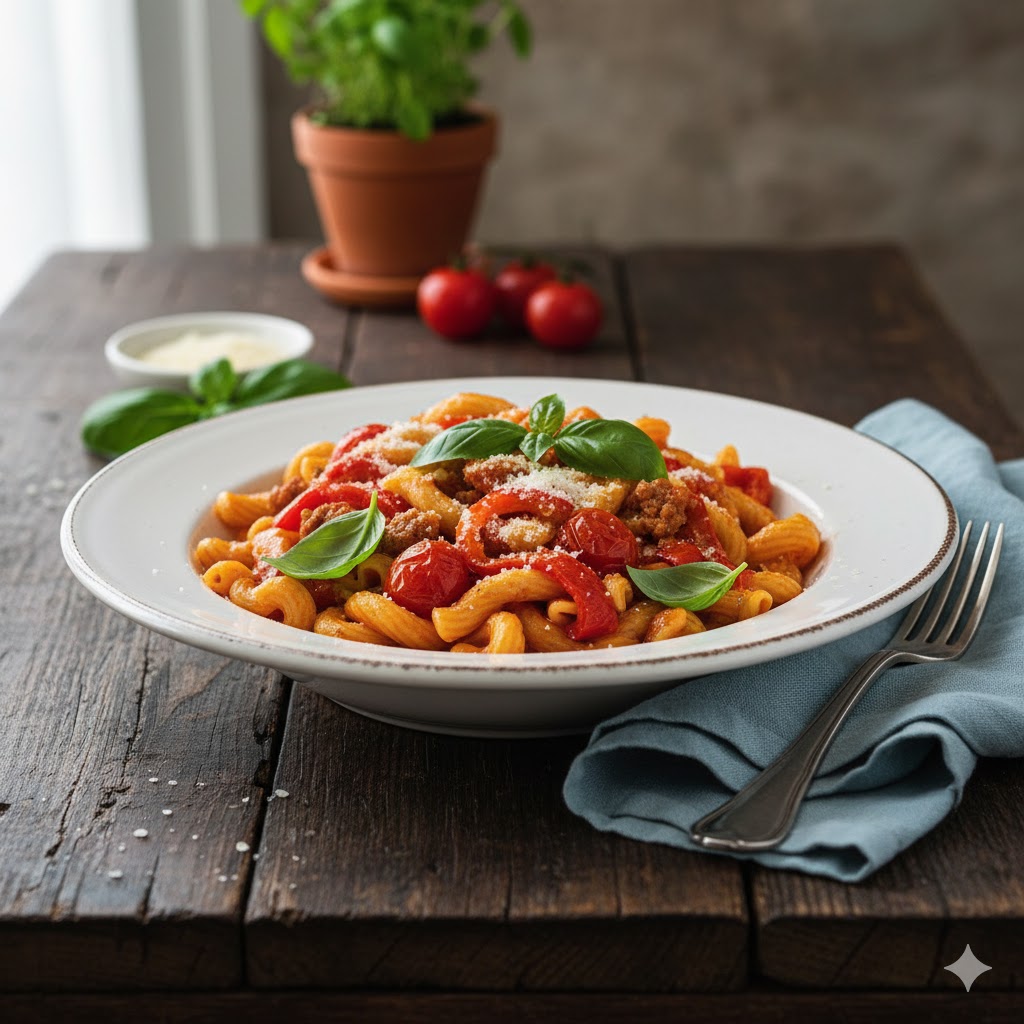
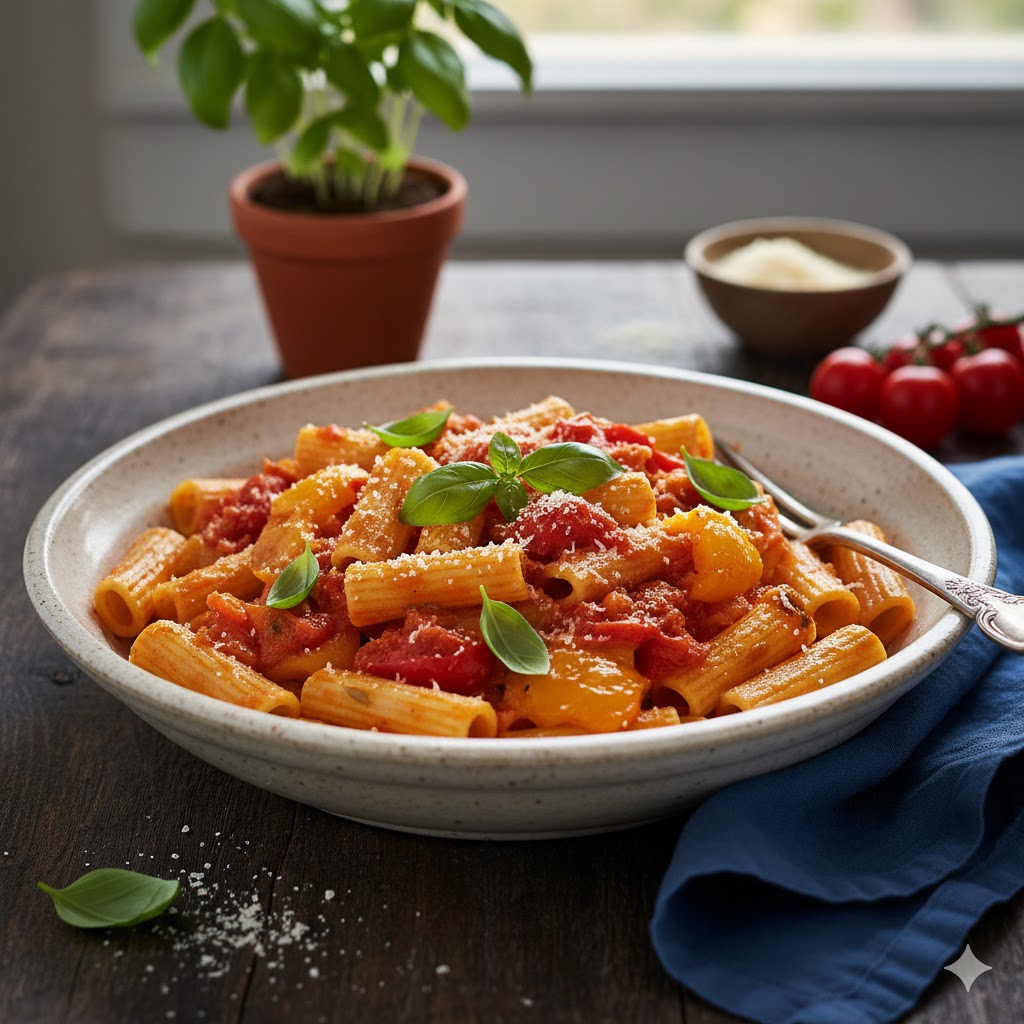
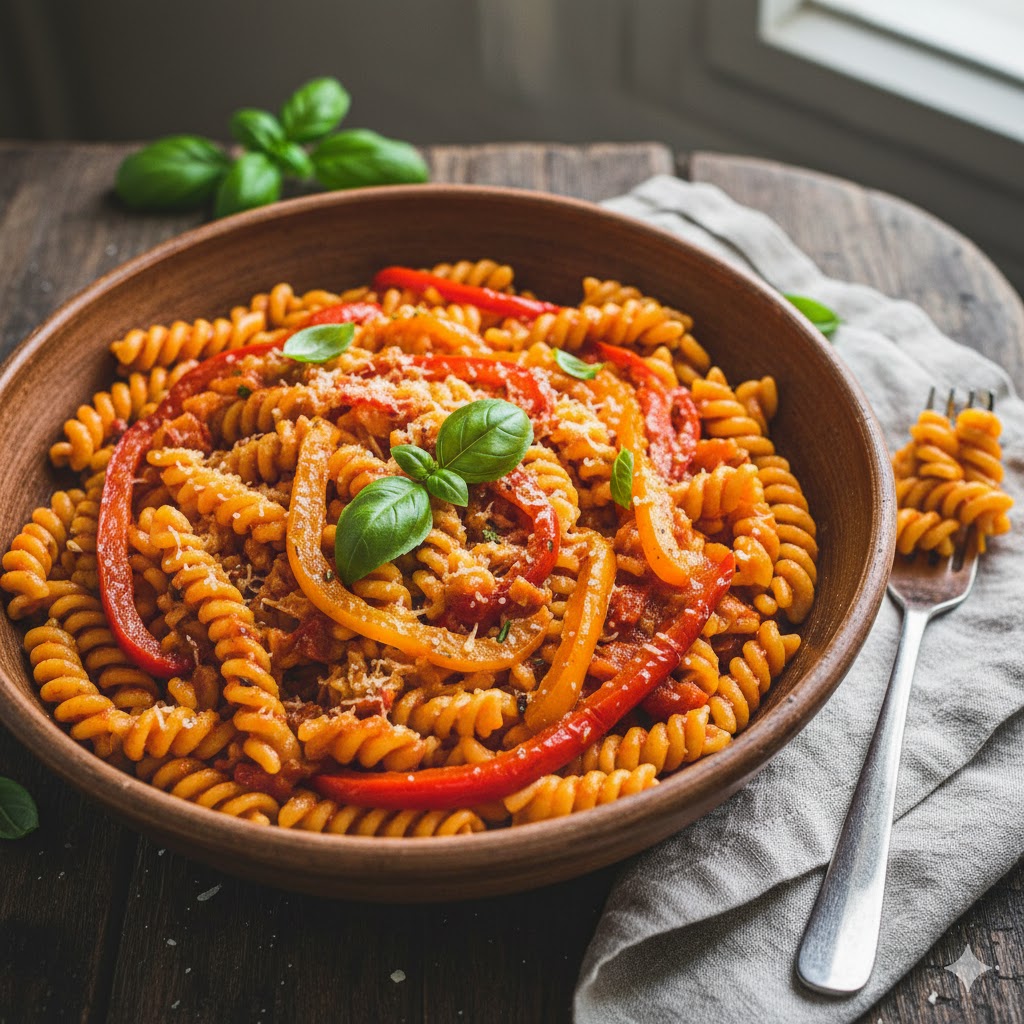
If you’re looking for a colorful, flavorful, and easy-to-make dish, pepper pasta is the perfect choice. Tender red, yellow, and green bell peppers sautéed with a drizzle of extra virgin olive oil, garlic, and a pinch of chili create the ideal sauce for your favorite pasta.
Ingredients (serves 4)
320 g (11 oz) pasta (penne, fusilli, or spaghetti)
3 large bell peppers (red, yellow, or green)
2 garlic cloves
3 tablespoons extra virgin olive oil
Salt and pepper, to taste
Fresh basil or parsley for garnish
Grated Parmesan (optional)
Instructions
1. Prepare the peppers Wash the bell peppers, remove the seeds and inner membranes, and cut them into thin strips.
2. Sauté the peppers Heat the olive oil in a large pan and add the whole garlic cloves. Let them lightly brown, then add the bell peppers. Cook over medium heat for about 10–15 minutes, stirring occasionally, until they are tender but still slightly crisp. Season with salt and pepper.
3. Cook the pasta Meanwhile, cook the pasta in plenty of salted water according to package instructions. Drain the pasta al dente, reserving a little pasta water.
4. Combine pasta and peppers Add the pasta to the pan with the peppers and mix well. If needed, add a splash of reserved pasta water to make the sauce creamier.
5. Serve and garnish Plate the pasta and finish with a sprinkle of Parmesan and a few fresh basil leaves.